MI vs RR Match 69 IPL 2026: Wankhede captaincy math — why Jaiswal earns the armband and Hardik Pandya earns the vice
Mumbai Indians host Rajasthan Royals at Wankhede Stadium on 24 May 2026 with the Royals needing a win to seal a playoff berth. Both strengths and surfaces have shaped the captaincy logic — here is the full squad, the pitch read and the toss window that decides the C/VC slot.
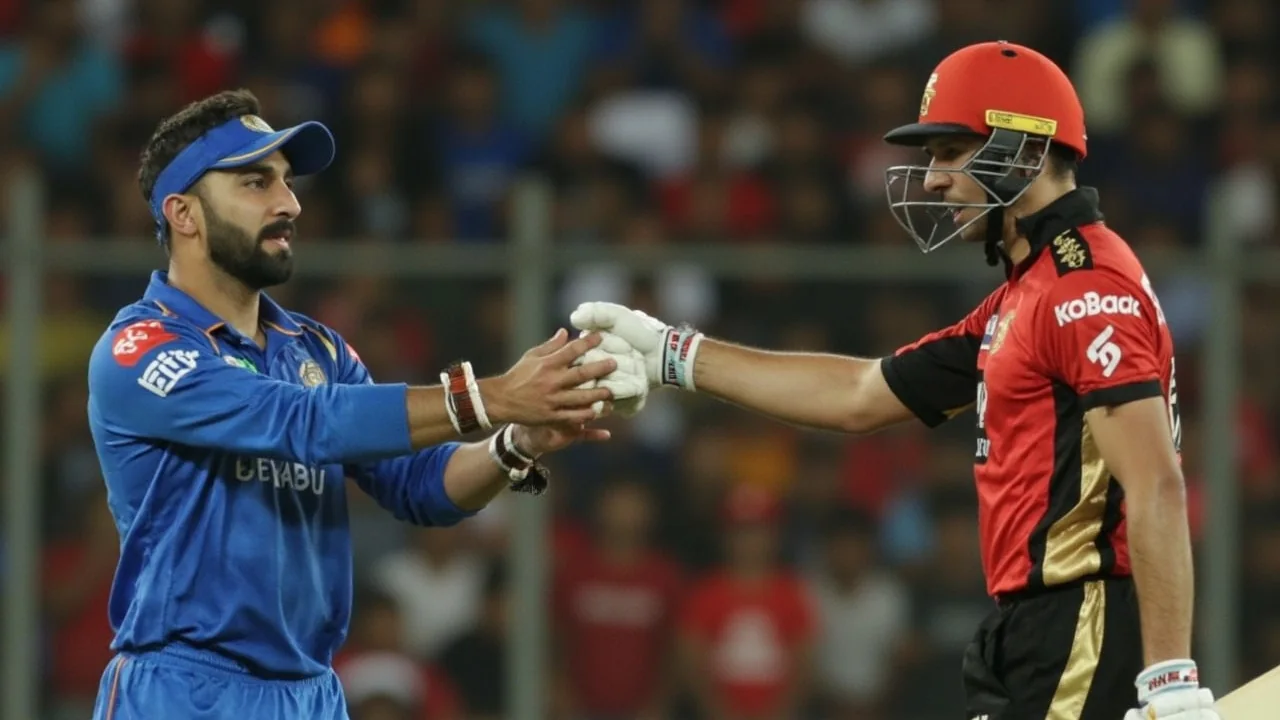
Match 69 at Wankhede: the stakes, both sides, and why this preview is not a coin flip
IPL 2026 league finale, retirement-race overlays, and the standings math Rajasthan needs to clear.
The IPL 2026 home stretch closes its league phase on Sunday, 24 May 2026, with the 69th match of the season at Wankhede Stadium, where Mumbai Indians host Rajasthan Royals. Mumbai Indians are already out of playoff contention, which is the only fact that makes this a quiet evening on the surface. The Royals are the side carrying the table pressure: a win seals a top-four place; a loss leaves them working the net-run-rate backdoor that no fantasy calculator loves to read.
Wankhede is the second-largest crowd pitch in the country and the one that does the fewest favours for an XI that is already thinking about playoffs. The surface rewards clean ball-striking, the boundaries are short enough to punish a mistimed pull, and the evening sea breeze off the Arabian Sea gives the new ball a faint lateral movement that has floored visiting openers in past Mumbai-closing fixtures. None of that is a problem for two team sheets that are full of international batters. It is, however, a problem for a captain slot that has been picked on reputation in the last few nights of the IPL.
Our read on this fixture is built backward from the captaincy decision. Both teams are full of names that justify the fantasy cap slot. The Royals, in fact, bring a top-order batter in Yashasvi Jaiswal who has already passed 500 runs this season at a strike rate close to 170 on a ground he enjoys. The Mumbai Indians bring Hardik Pandya, who has crossed 170 runs and added important wickets this season, and who is reported fit after the recent injury concern. The question is not which team wins. The question is which pair of names carries the captaincy column on a Wankhede evening where the dew window is the most read variable on the night.
Rajasthan Royals: why the captaincy points to Jaiswal
The number Jaiswal brings to Wankhede, the rotating batting slot, and the bowling overlap that shapes the C/VC pick.
Yashasvi Jaiswal is the textbook captaincy pick on this fixture, and the reason is not just form. The Royals' probable XI puts him at the top with Vaibhav Sooryavanshi, Dhruv Jurel behind the stumps, the captain Riyan Parag in the middle, Donovan Ferreira, Ravindra Jadeja, Shubham Dubey, Jofra Archer, Yash Raj Punja, Nandre Burger and Brijesh Sharma. Tushar Deshpande, Dasun Shanaka, Sushant Mishra and Yash Raj Punja are the listed impact substitutes. That is a lineup that has scored tightly around Jaiswal all season, and that has the bowling variety to defend a 200-plus total if the surface helps.
The captaincy argument for Jaiswal has three independent layers. First, the run count: more than 500 runs in IPL 2026, with the kind of strike rate that turns even a 30-ball 50 into a captaincy engine. Second, the venue: Wankhede rewards ball-striking over hand-eye patience, and Jaiswal's pull square and cover drive both fit the boundary map. Third, the role guarantee: he has not been demoted, he has not been rested, and the Royals' opening pattern through the season has been to keep him in the powerplay until the second wicket falls. That is the cleanest role guarantee any captain candidate on this XI brings.
A captaincy table that does not include Jaiswal on this fixture is overrating the chasing advantage. The Royals have the batting depth to absorb a quick top-order wicket, the bowling variety to defend a 200-plus total, and the one batter in this whole match who has already shown the ability to convert a 40-ball stay into a 75-run match-defining innings on this exact surface. The published read on this fixture named Jaiswal as captain with Sooryavanshi as the headline young batter, and the desk concurs. The conversation is not about whether; it is about whether to lock him as captain or vice when the toss news arrives.
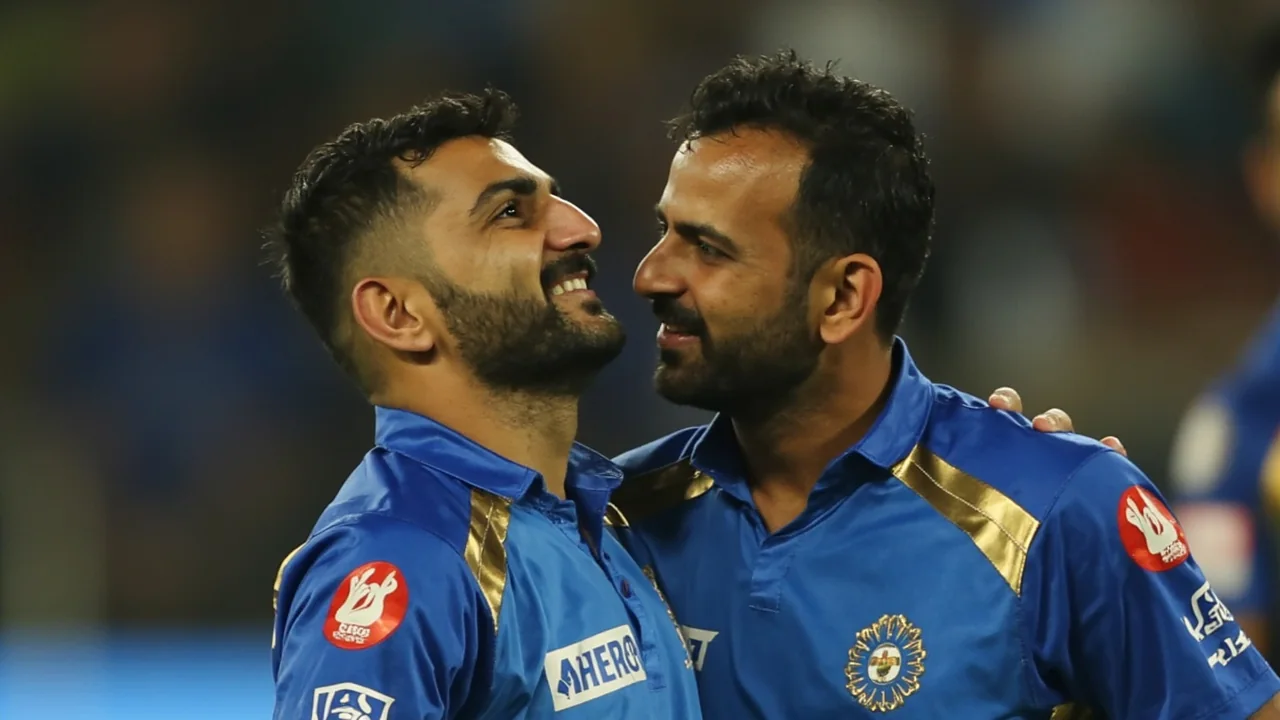
Mumbai Indians: why Hardik Pandya earns the vice-captain
The number Hardik has already brought, the fit update, and the MI batting shape that still bites fantasy teams.
Mumbai Indians' probable XI for this fixture is Rohit Sharma, Ryan Rickelton behind the stumps, Naman Dhir, Suryakumar Yadav, Tilak Varma, Hardik Pandya as captain, Will Jacks, Corbin Bosch, Deepak Chahar, Jasprit Bumrah and AM Ghazanfar. Krish Bhagat, Shardul Thakur, Sherfane Rutherford and Raghu Sharma are the listed impact substitutes. Hardik has already collected 170-plus runs and important wickets in IPL 2026, and the published team note credits him as fully fit after a recent injury setback. That is the cleanest vice-captain argument on the night.
The vice-captaincy logic on this fixture is not a sympathy vote for a retired team. It is a coverage argument. If Jaiswal is the captain, the public ownership will load Yashasvi as the highest-selected armband in the room. The differential ceiling sits with the second-best match on the night, and the second-best match on this night is Hardik. He can contribute with the bat through the middle overs, can take wickets in the death with the new ball variations he has used all season, and can top-score with a 30-ball 50 if the Royals' seam attack is held back by the chasing dew window.
The wider MI batting shape is also worth reading. Rohit Sharma at the top with Rickelton is an opening pair that has been inconsistent and explosive in roughly equal measure. Tilak Varma slots at three and anchors the middle overs. Suryakumar Yadav remains the single biggest boundary threat in the Indian top-order. Will Jacks and Corbin Bosch are the all-round doubles that round out the XI. The problem for fantasy players is the running total: MI are out of playoff contention, the middle order has been rotating without the same pressure, and the captaincy premium on Hardik is a function of role guarantee rather than team incentive. That is the read to keep in mind when the toss lands.
Wankhede pitch note: short boundaries, fresh-ball swing, and the dew window that decides the captain slot
Why a Wankhede evening is not a Chinnaswamy evening, and what the late-May sea breeze changes.
Wankhede Stadium is a batter-friendly surface in the May late-evening band. The outfield is quick, the square boundaries are short, and the straight boundary is short enough to give a clean pull shot a 78-metre ride. The wide long-on side is genuinely long, which means a wrist-spinner can still hold his length in the middle overs if the batter is mistiming the aerial route. The published pitch note attached to this fixture describes the surface as a "run-fest" once the fresh-ball movement has been negotiated, with the seamers getting lateral help from the new ball aided by the coastal sea breeze in the first six overs.
The weather window for a late-May fixture at Wankhede is warm, dry, and dew-heavy once the sun is off the square. The practical translation is the same one Mumbai's fantasy desks have read every May for the last decade: first-innings captains need at least one batter who can bat through the middle overs, second-innings captains need at least one bowler who can hold his grip in the death. The captain slot you pick at 18:30 IST is not the same one you want at 22:00 IST. Lock the captain, but lock a vice-captain who can absorb the flip if the dew lands early.
The toss window is the single most useful variable on this fixture. The two teams most likely to bowl first if they win the toss are the Royals and the Indians, on the same local practice: chase the total under lights with the dew. If the Royals win the toss and bowl first, the captaincy weight shifts to Jaiswal, the seam attack must absorb a first-innings Bhuvneshwar-type swing overs, and the MI top-order death becomes the real fantasy variable. If the Indians win the toss and bowl first, the bowler captaincy window opens for Bumrah and AM Ghazanfar, and the second-innings batting captaincy premium shifts to Suryakumar Yadav, Tilak Varma and the Pandya fall-back. Either way, the toss is the first hard information of the night. Lock flexible C/VC pairs before it, not after it is too late to pivot.
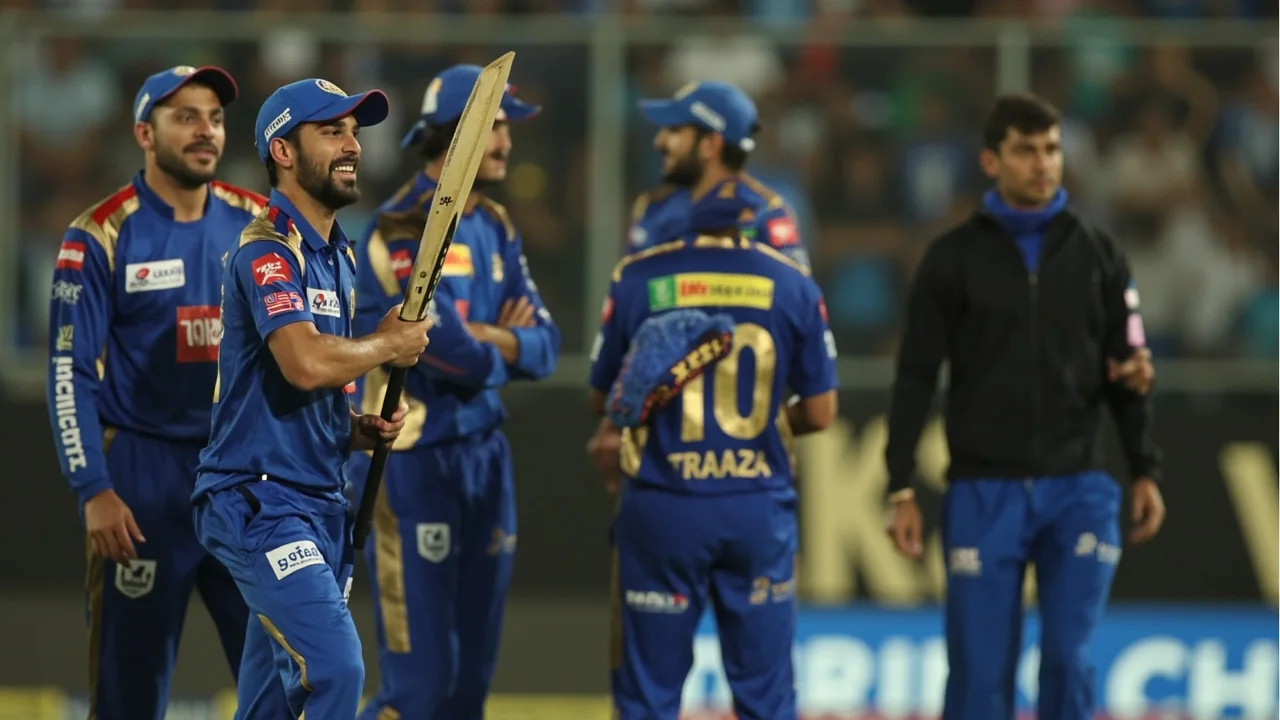
Dream11 squad sheet: the 11 our desk would lock before toss
Wicketkeepers, batters, all-rounders, bowlers, and the credit cost of each name.
The published fantasy squad attached to this fixture is the cleanest outline we have for the captaincy debate. Wicketkeepers: Ryan Rickelton and Dhruv Jurel. Batters: Tilak Varma, Vaibhav Sooryavanshi, Yashasvi Jaiswal and Rohit Sharma. All-rounders: Corbin Bosch and Donovan Ferreira. Bowlers: Jofra Archer, AM Ghazanfar and Jasprit Bumrah. That is the 11 the desk has carried through the league phase, and it is the 11 we keep on our sheet ahead of the toss.
The two wicketkeeper options give the captain a clean swap. Rickelton is the cheaper option with role guarantee at the top of the MI order. Jurel is the more expensive option with the role of an anchor down the order for the Royals. If the Royals win the toss and bowl first, Jurel becomes the higher-leverage vice-captain option. If the Indians win the toss and bowl first, Rickelton is the keeper to lock with Jaiswal as captain.
The batter group is the densest decision on the card. Tilak Varma is the slot-three anchor on the MI side and the safest 2× pick on the night. Vaibhav Sooryavanshi is the RR counterweight at the top with the boundary-striking template that suits Wankhede. Jaiswal is the captain. Rohit Sharma is the differential top slot that the public will underweight on a retirement-race evening. The two all-rounders — Bosch and Ferreira — give the captain both a death-bowling option and a batting depth option. The three bowlers — Archer, Ghazanfar and Bumrah — are the cleanest combined attack on the card.
The credit cost of this 11 sits in the upper band of any standard fantasy contest. The compressions to consider: drop Jurel for a fourth bowler if you expect a 200-plus chase and Archer to be the only fantasy scorer at the death. Drop Ferreira for a third MI batter if you expect the Indians to bat first and the Royals to chase. Drop Ghazanfar for a second MI seamer if your contest promotes wickets over economy. Each compression is a fall-back plan, not a primary plan. The primary plan is the 11 above.
Captaincy checklist before the toss lands at Wankhede
Five concrete checks tied to this fixture, not generic IPL advice.
- Confirm the impact substitute first. Both squads list an impact player with overlap in the bowling unit. The Royals name Tushar Deshpande or Dasun Shanaka as fall-backs; MI name Shardul Thakur or Sherfane Rutherford. Lock your bowler slots only after the playing card is confirmed.
- Lock Jaiswal only with a second batting route from the Royals. A captain who fails cheaply on the first ball leaves Sooryavanshi and the middle order as the salvage path inside the same combination. Avoid the single-point failure on the captain slot.
- Price Hardik on overs, not on reputation alone. His 170-plus IPL 2026 runs and important wickets matter only if he is still bowling the full four-over quota. If the MI captain is held back to two overs, the bowler captaincy slot shifts to Bumrah or Ghazanfar.
- Carry Jurel as the second wicketkeeper if the Royals bowl first. Once the dew lands, the chase captaincy premium compresses. A keeper who has a role inside the top six reads better than one who has been pushed down the order.
- Watch the Bumrah new-ball spell length. If the MI spearhead takes the first over and returns at the death, he becomes a low-ownership bowling captaincy pivot. If he is limited to two overs, fade the punt and let the captaincy fall on the batters.
Track the wider captaincy moves on the rest of the Match 69 slate through our predictions desk once the toss window opens. This fixture should be read beside any other IPL 2026 closing-night game on the same evening, because the dew window at Wankhede in late May rarely stays unique to one ground in the city.
After the toss: the three names that can still move a locked side
The next hard facts that change the captain slot once the playing XIs are confirmed.
First, the final playing XIs. The probable XIs we have carried are the most likely shapes, but the impact-substitute rule means a fourth bowling option can replace a third batter if the surface is judged drier than the preview. Confirm the exact card before you spend a flex slot on any single name. Second, the new-ball pairings. A Royals attack that opens with Archer and Burger plays differently from one that opens with Archer and Brijesh Sharma. The MI attack that opens with Bumrah and Deepak Chahar reads differently from one that opens with Bumrah and AM Ghazanfar. The first four overs of the first innings will tell you which template the captain is reading. Third, the first six overs of whichever side bats first. If the ball is coming onto the bat and the powerplay yields more than 55 without a wicket, the short-boundary pressure on the chase captaincy premium rises immediately.
The cleanest end state for this preview is narrow. Yashasvi Jaiswal is the captaincy armband on the strength of 500-plus runs this season and a role-guaranteed opening slot at Wankhede. Hardik Pandya is the vice-captaincy slot on the strength of 170-plus runs, important wickets, and a fit-up after the recent injury concern. The Dream11 squad has been published; the pitch read is short boundaries, fresh-ball swing and the May dew window. The toss is the next hard information. Until it lands, the fantasy job is to keep both names on the sheet and let the captain flip decide which one carries the armband.
For the Match 69 fantasy reader, the practical checklist is short. Lock Jaiswal and Hardik as your C/VC pair before the toss. Carry a third Royals batter as a differential in case the powerplay goes wide. Carry a second MI bowler as a differential in case the chase is chased dry. Adjust the all-rounder slot to the side that wins the toss. Stay on the predictions desk channel from 18:30 IST onwards for the dew-window update. The aim is not to pick the winner. The aim is to pick the captain whose number will already be on the scoreboard by the time the dew lands.
More from the desk
Other match-day reads our editors are tracking.
- West Delhi Lions vs New Delhi Tigers: DPL 2026 third T20 at Arun Jaitley Stadium
- Black day in Indian cricket — Ireland's T20I sweep and Australia's Lord's exit, one month on
- Kolhapur's new international cricket stadium — what it means for fantasy
- Why the 19:30 IST toss window changes the captain slot